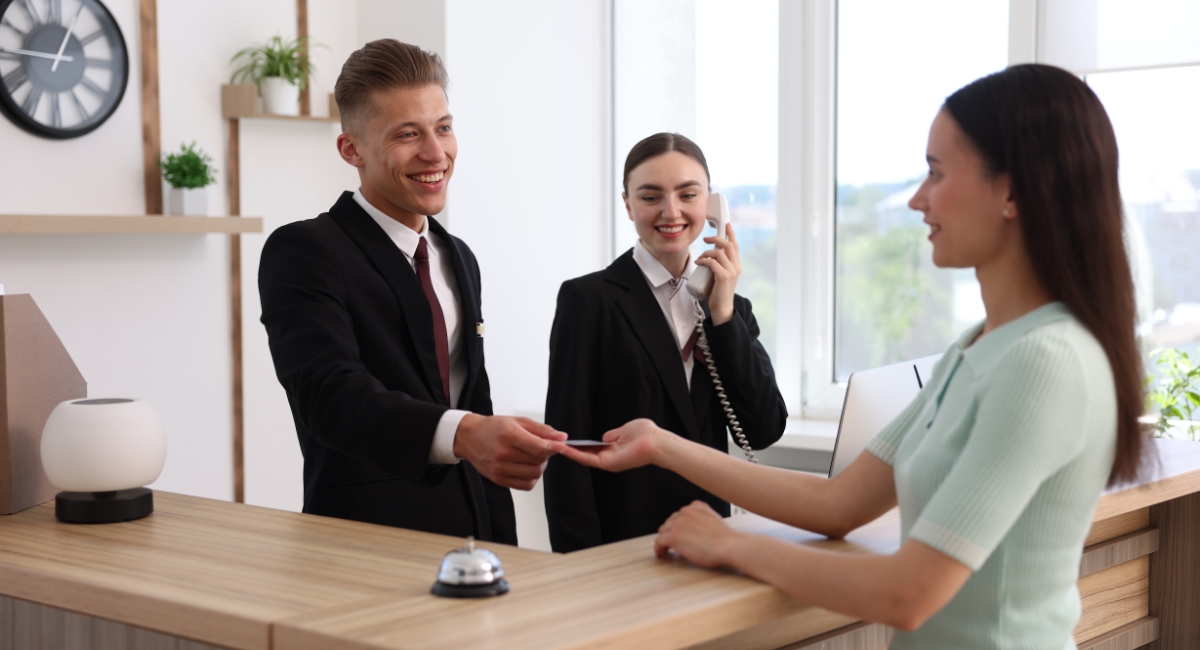
The hospitality landscape continues to evolve, but 2026 isn’t about radical disruption, it’s about smarter behaviour, faster decisions, and higher guest expectations.
Today’s guests don’t follow a straight booking path. They browse, compare, scroll, abandon, return, and only then decide. For hoteliers, understanding how guests behave is just as important as knowing where they book.
Here are 7 hospitality trends shaping hotel bookings in 2026, and why hoteliers should pay attention now.
1) Guests are booking later, but deciding faster
One of the clearest shifts heading into 2026 is shorter booking windows paired with faster decision-making. Guests are waiting longer to commit, but when they do, they expect instant clarity.
This behaviour is driven by:
- Flexible travel habits
- Easy price comparison across platforms
- Confidence that availability will still be there
Once guests start actively comparing rates, they move quickly. Hotels that are slow to update availability, rates, or content risk being skipped entirely.
Why this matters for hoteliers:
If your pricing or availability isn’t up to date across channels, you lose bookings at the final decision stage, not at discovery.
How to implement:
- Review pricing and availability more frequently
- Avoid rigid rate strategies during high-demand periods
- Ensure all active channels reflect accurate, real-time information
2) Trust has become a bigger booking trigger than price
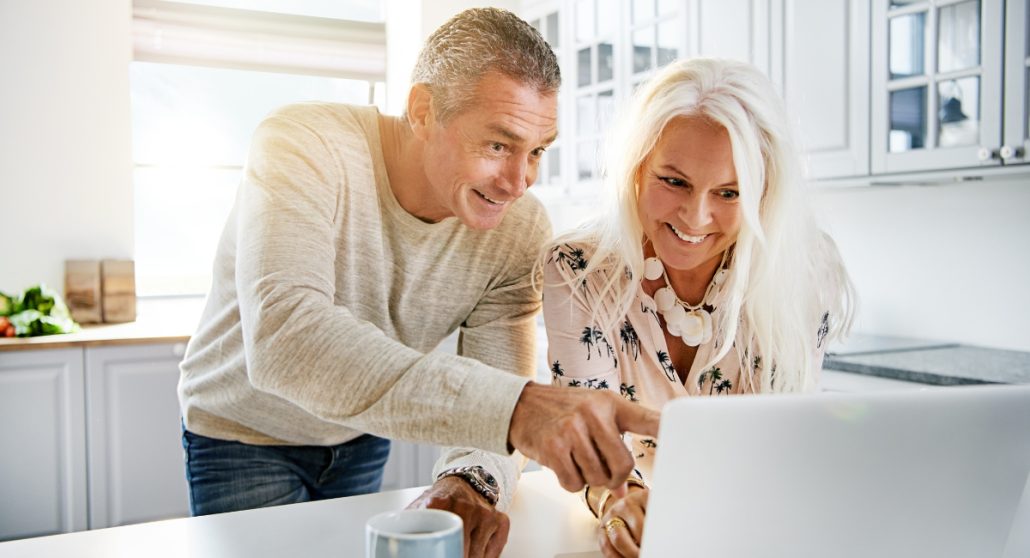
Price still matters, but trust now plays a bigger role in the final decision. Guests are more cautious and informed, they check reviews, photos, and hotel details before committing.
In 2026, guests commonly:
- Read multiple reviews before booking
- Compare photos across online travel agents (OTAs), Google, and the hotel website
- Look for consistency in information
Even a competitive rate can lose if guests sense uncertainty or outdated content.
Why this matters:
A lack of trust increases hesitation, and hesitation often leads to booking elsewhere.
How to implement:
- Keep hotel descriptions and photos consistent across platforms
- Regularly monitor and respond to reviews
- Ensure your brand story and messaging are aligned everywhere guests see you
3) Visibility matters more than being everywhere
Being listed on every possible platform is no longer the goal. In 2026, being visible in the right places is more effective than being present everywhere.
Guests don’t search endlessly, they rely on:
- A few trusted OTAs
- Google search and Google Hotel listings
- Social media discovery
Hotels that focus on strategic visibility outperform those spreading themselves too thin.
Why this matters:
Managing too many channels without a clear strategy often leads to inconsistency, errors, and higher operational effort with little return.
How to implement:
- Identify which channels actually drive bookings, not just traffic
- Prioritise channels that match your property type and target market
- Review channel performance regularly and optimise accordingly

4) Social media is officially part of the booking journey
Guests may not always book directly through social media, but in 2026, social platforms influence where and how guests book more than ever.
Instagram and TikTok are now:
- Discovery tools for destinations and properties
- Trust builders through real visuals and guest experiences
- The first touchpoint before guests search on OTAs or Google
Guests often see a hotel on social media, then search for it elsewhere to book.
Why this matters:
If your hotel doesn’t show up well after that initial discovery, the interest disappears.
How to implement:
- Ensure your hotel name is easily searchable after social discovery
- Keep links, photos, and information updated
- Use social media to support visibility, not replace booking channels
5) Guests expect consistency across every touchpoint
In 2026, inconsistency is one of the biggest booking blockers. Guests expect the same experience, pricing logic, and information across all platforms.
Common issues that cause drop-offs:
- Different room names across channels
- Conflicting prices
- Outdated photos on one platform but not others
These small details create doubt and doubt delays or stops bookings.
Why this matters:
Guests don’t ask for clarification; they simply move on.
How to implement:
- Standardise room names and descriptions
- Align pricing strategies across key channels
- Conduct regular content and rate audits
6) Direct bookings still matter but they’re not always the first step
Direct bookings remain a priority in 2026, but the path to direct is no longer linear. Guests may discover your hotel on an OTA, compare on Google, check social media, and only then book direct.
Hotels that insist guests start on the direct channel often miss out.
Why this matters:
Direct bookings happen when hotels are present and consistent throughout the guest journey.
How to implement:
- Support discovery across multiple platforms
- Make the direct booking experience seamless and trustworthy
- Focus on being easy to book when guests are ready
7) Hotels are simplifying their tech and distribution strategy
Instead of adding more tools, many hotels in 2026 are streamlining their systems. Simpler setups allow teams to work faster, reduce errors, and focus on strategy rather than firefighting.
This trend reflects a shift from “more tools” to better integration and clearer workflows.
Why this matters:
Complex systems often create operational friction that guests eventually feel.
How to implement:
- Review which tools are actually being used
- Identify overlaps or underperforming platforms
- Focus on solutions that integrate well and support growth
Final Thoughts: 2026 is about smarter decisions, not bigger changes
The biggest hospitality trends in 2026 aren’t dramatic, they’re behavioural. Guests are more informed, more selective, and quicker to decide once trust is established.
For hoteliers, success in 2026 means:
- Understanding how guests browse and compare
- Staying visible where it matters
- Keeping systems, pricing, and content aligned
Hotels that adapt to these shifts won’t just keep up they’ll stay competitive in an increasingly choice-driven market.