
Sometimes the smallest tweaks make the biggest difference. In the world of hotel websites and booking journeys, tiny tools, the kind of subtle, easy-to-miss widgets can significantly lift conversion rates and strengthen direct-booking performance.
What Exactly Are Widgets, and Where Do They Appear?
Widgets are small functional elements embedded across your hotel website or booking engine. They may sit in your homepage header, appear on room and offer pages, or float discreetly as guests scroll.
They don’t change the entire structure of your site. They simply give visitors quick, intuitive action points:
- Check availability
- Compare prices
- View social proof
- Book directly
…without searching, navigating multiple pages, or getting lost.
By reducing friction, widgets ensure guests stay engaged and keep moving closer to booking.

The Widgets That Matter Most for Hotels
1) Quick “Book Now” Buttons
A strong call-to-action is often enough to turn interest into intent. Strategically placed “Book Now” and “Check Availability” buttons especially when persistent in the header or as a floating element shorten the path to the booking engine and remove unnecessary steps.
2) Best-Rate / Price Comparison Widgets
Transparency builds trust. Widgets that show your direct rate alongside OTA prices help guests see immediate value. When travellers realise they’re getting a better deal directly, they stop rate-shopping and convert faster.
3) Review & Social-Proof Displays
Decision-making is emotional. Displaying reviews, ratings, and recent guest comments near booking prompts reassures travellers at the moment they’re evaluating their options. Social proof is still one of the strongest nudges toward booking.
4) Urgency & Limited-Offer Widgets
(FOMO tools: countdown timers, limited-room banners, rate alerts) Humans act faster when they’re at risk of missing out. When guests see limited availability or time-sensitive offers, they’re more inclined to complete the booking rather than postponing the decision.
Why These Widgets Work?
They’re not flashy. They don’t require a redesign. Their power comes from making your website easier, faster, and more confidence-driven for travellers.
One simple real-life example:
A hotel added a persistent “Book Now” widget across all pages. Previously, guests had to click through multiple pages to reach the booking engine many dropped off halfway. With the floating widget, the booking engine opened instantly from any point on the site.
The result?
A noticeable rise in direct bookings without a single extra dollar spent on marketing.
That’s the power of friction removal.
Where STAAH Fits In
STAAH makes deploying these widgets straightforward through the Booking Engine Widget Builder. Hotels can quickly implement:
1) Book Now buttons

2) Date option widget

3) First Available Rate (FAR) widgets
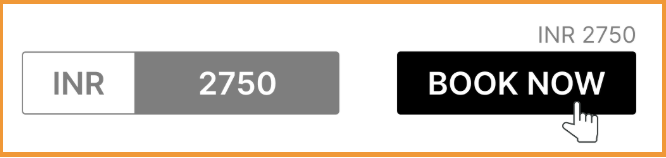
4) Rate comparison modules
5) Promo and voucher callouts
…all customisable, lightweight, and easy to embed.
These tools help transform a static website into a dynamic booking environment and allow hotels to test, refine, and improve their direct-booking strategy consistently.
Read more on A Technical Guide to STAAH Booking Engine Widgets: Click here.

Final Thoughts
Small tools can create big shifts especially when they’re placed at the exact moments guests make decisions. A floating CTA, a rate badge, a review snippet, a countdown timer… each one subtly nudges a traveller toward completing their booking.
When hotels use widgets intentionally, they reshape the guest journey from browsing to booking. And with plug-and-play options from platforms like STAAH, hoteliers can enhance conversions without redesigns, heavy tech work, or large budgets.
Sometimes, the difference between a visitor leaving and a visitor booking really is just one small widget.